Däcken utgör den enda kontaktpunkten mellan fordonet och vägytan, vilket gör dem grundläggande för fordonets eller flygplanets säkerhet. Denna betydelse återspeglas i den arbetsintensiva och komplexa tillverkningsprocessen. En säker och effektiv produktion kräver tillförlitliga och intelligenta drivsystem. Vi förstår vikten av hög produktionssäkerhet, hög kvalitet kvalitet och energieffektiv driv- och styrteknik inom däckindustrin.

Blandare
Eftersom däck – eller vissa typer av däck – måste uppfylla vissa egenskaper använder däcktillverkarna en rad olika gummiblandningar. Förutom naturgummi och syntetgummi ingår olika material och tillsatser i dessa blandningar för att ge däcken de önskade egenskaperna. En enda däckblandning kan innehålla upp till 45 olika basmaterial, som blandas i blandaren – en sorts knådmaskin som tillför tryck och värme. Den färdiga blandningen sträcks sedan ut till en lång gummisträng med hjälp av en extruder, genomgår kylning och lagras tillfälligt i väntan på vidare bearbetning.
Normalt används specialkuggväxlar från SEW-EURODRIVE för detta.
Dina fördelar:
- Skräddarsydd lösning: individuella, robusta specialväxlar, t.ex. som ersättningsväxlar vid driftstörningar
- Brett utbud av alternativ och flexibilitet: ingångar och utgångar med flera axlar, individuellt utformade svetsade stålhusutföranden eller specialkugghjul, och mycket mer
- Konstruerade och tillverkade av experter med inriktning på specifika tillämpningar
Vårt tjänsteutbud gäller även för stora växlar, så varför inte dra nytta av den omfattande tekniska expertisen hos en global aktör för att säkerställa tillförlitligheten i din drift och dina processer – över hela världen.
Dina fördelar:
- Förebyggande av oplanerade driftstopp och avbrott
- Reparation och översyn, även för växellådor som inte tillverkats av SEW-EURODRIVE
- Vårt leverans- och reparationsprogram omfattar även kopplingar, oljekylare, sensorer och motorer
Tjänsteutbud för stora växellådor
Vårt serviceutbud omfattar även stora växellådor, så varför inte dra nytta av den omfattande tekniska expertisen hos en global aktör för att säkerställa tillförlitligheten i er drift och era processer – över hela världen.
Dina fördelar:
- Förebyggande av oplanerade driftstopp och avbrott i driften
- Reparation och översyn, även av växlar som inte tillverkats av SEW-EURODRIVE
- Vårt leverans- och reparationsprogram omfattar även kopplingar, oljekylare, sensorer och motorer
Start-up
- Montering och laserkalibrering av drivsystem
- Idrifttagningsstöd anpassat efter dina behov
- Initial oljepåfyllning
- Produktionsvägledning och övervakning
Inspektion och underhåll
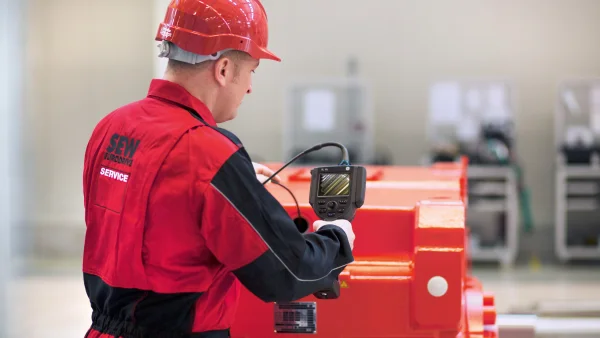
- Utarbetande av en inspektions- och underhållsplan
- Inspektioner erbjuds även på plats
- Rådgivning och montering av övervakning av tillstånden
- Omfattande inspektion för diagnostik av växellådor
- Komplett oljeservice (byte, påfyllning, återvinning)
- Analys av oljekvalitet
Reparation
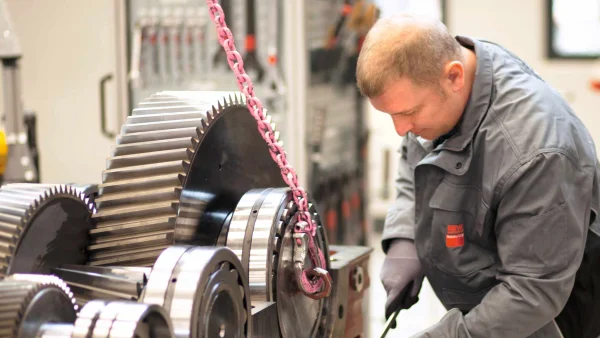
- Reparation genom att byta ut de defekta och drabbade delarna
- Totalrenovering
- Omarbetning av alla hus och axlar
- Tillverkning av kugghjulskomponenter och axlar enligt mall/ritning
Extrudrar
Extrudern drar in det gummiband som tillverkats i blandaren – och som lämnar blandaren i ett plastiskt tillstånd – i en spindel. Pressen formar sedan bandet till en kontinuerlig rem.
Normalt används spiralväxlar/konisk-spiralväxlar av X..-serien i extruderdesign för detta.
Dina fördelar:
- Extruderspecifik lösning
- Robusta och kraftfulla växellådor med fin gradering (23 storlekar med ett vridmomentintervall från 6,8 till 475 kNm)
- Brett utbud av tillval: kylning, tätningssystem, motoranslutning och mycket mer
- Kundspecifika gränssnitt mellan växellådan och maskinen
Tjänsteutbud för stora växellådor
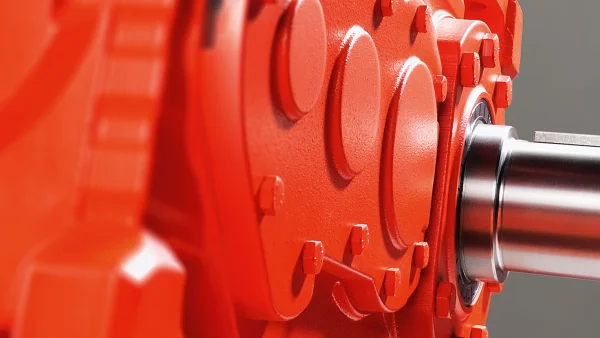
Vårt tjänsteutbud omfattar även stora växlar, så varför inte dra nytta av den omfattande tekniska expertisen hos en global aktör för att säkerställa tillförlitligheten i er drift och era processer – över hela världen.
Dina fördelar:
- Förebyggande av oplanerade driftstopp och avbrott i driften
- Reparation och översyn, även av växlar som inte tillverkats av SEW-EURODRIVE
- Vårt leverans- och reparationsprogram omfattar även kopplingar, oljekylare, sensorer och motorer
Start-up
- Montering och laserkalibrering av drivsystem
- Idrifttagningsstöd anpassat efter dina behov
- Initial oljepåfyllning
- Produktionsvägledning och övervakning
Inspektion och underhåll
Utarbetande av en inspektions- och underhållsplan
Inspektioner kan även utföras på plats
Rådgivning och montering av övervakning av tillstånden
Omfattande inspektion för diagnostik av växellådor
Komplett oljeservice (byte, påfyllning, återvinning)
Analys av oljekvalitet
Reparation
- Reparation genom att byta ut de defekta och drabbade delarna
- Totalrenovering
- Omarbetning av alla hus och axlar
- Tillverkning av kugghjulskomponenter och axlar enligt mall/ritning
Kylning för extrudern / nedströms
När det passerar genom extruderns kylningslinje kontrolleras gummiremmen – som fortfarande är varm – för att fastställa dess vikt per meter och kyls sedan i ett doppbad.
För detta används normalt våraMOVIGEAR® i byggstorlekarna 2–4.
Dina fördelar:
- Maximal energieffektivitet tack vare den höga integrationsgraden mellan synkronmotor, växellåda och styrteknik (vilket ger energibesparingar på > 40 %) samt hög överlastkapacitet (350 %)
- Betydligt lättare än alternativa växelmotorer med asynkronmotorer
- Universell byggform
- Avsevärd minskning av antalet varianter och kablage
- Enkel och säker kablage tack vare kontaktteknik
- Inställningsområden > 1:2000 möjliga
Kärnspolar
Denna del av däcket har stor betydelse för köregenskaperna och stabiliteten. Den består av en gummibas med inbäddat stål. Däckledaren tillverkas i kärnvikaren innan de olika skikten av textil och stålkord läggs runt den.
Vår DRC-motor är idealisk för denna process.
Dina fördelar:
- Maximal energieffektivitet tack vare synkronmotorn (energibesparing på > 40 %)
- Avsevärt färre varianter och kablage
- Kompakt design frigör utrymme
- Extremt enkel och säker kablage tack vare kontaktteknik
Kalender-/avisolerat system
I kalandern infogas färdiga stål- och textiltrådar i ett eller flera lager av gummi. För att åstadkomma detta rullas trådarna av från den kontinuerliga remsan och matas in i kalandern med hjälp av särskilda upprullningsanordningar.
En kalander är en typisk tillämpning för flera av våra produkter: DRN-motor, X-växellåda / P-X-växellåda
- Dina fördelar med DRN-bromsmotorn
- Motorn erbjuder en mycket tillförlitlig säkerhetsfunktion tack vare den integrerade SEW-bromsen. Kalandervalvarna stoppas inom en vinkel på upp till 30°, även vid full hastighet.
- Fördelarna med X-växellådan för kuggning
- Robusta och effektiva växellådor med fin stegning
- Brett utbud av tillval: kylning, tätningssystem, motoranslutning och mycket mer
- Kundspecifika gränssnitt mellan växellådan och maskinen
- Fördelarna med P-X1KP-växellådan för kuggning
- Platsbesparande tack vare direktmonterad planetväxelmotor
- Hög flexibilitet för maskinoptimering (11 byggstorlekar med ett vridmomentintervall från 25 till 500 kNm)
- Kostnadsbesparing tack vare en prisvärd och kompakt fristående planetväxel-lösning
- Brett utbud av tillval: kylning, tätningssystem, vridmomentstöd och mycket mer
Textiltrådarna kan dock även integreras i gummit inuti ett kåpbandssystem istället för i en kalander – i vilket fall trådarna höljs samtidigt som de kontinuerligt dras genom extruderns huvud. Därefter utförs lindningen på kylvalsar, vilket sänker deras temperatur och förhindrar att gummihöljet fastnar.
Detta är ett idealiskt användningsområde för våraMOVIGEAR® i byggstorlekarna 2–4
Dina fördelar:
- Maximal energieffektivitet tack vare synkronmotorn (energibesparing på > 40 %)
- Överlastkapacitet: 350 %
- Betydligt lättare än alternativa asynkronmotorer
- Möjlighet till valfri byggform för drivsystemen
- Betydligt färre varianter och kablage
- Extremt enkel och säker kablage tack vare kontaktteknik
- Inställningsområden > 1:2000 möjliga
Tjänsteutbud för stora växellådor
Vårt tjänsteutbud omfattar även stora växlar, så varför inte dra nytta av den omfattande tekniska expertisen hos en global aktör för att säkerställa tillförlitligheten i er drift och era processer – över hela världen.
Dina fördelar:
- Förebyggande av oplanerade driftstopp och avbrott i driften
- Reparation och översyn, även av växlar som inte tillverkats av SEW-EURODRIVE
- Vårt program för leverans och reparation omfattar även kopplingar, oljekylare, sensorer och motorer
Start-up
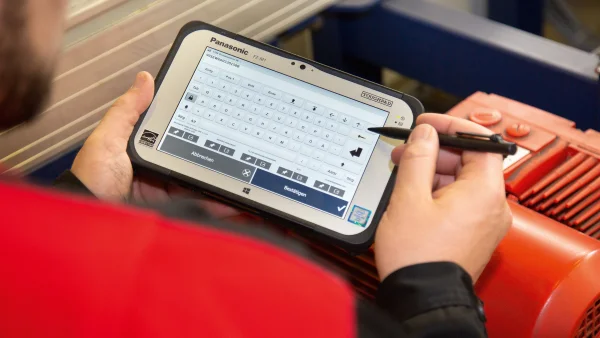
- Montering och laserkalibrering av drivanordningar
- Idrifttagningsstöd anpassat efter dina behov
- Initial oljepåfyllning
- Produktionsvägledning och övervakning
Inspektion och underhåll
- Utarbetande av en inspektions- och underhållsplan
- Inspektioner kan även utföras på plats
- Rådgivning och montering av övervakning av tillstånden
- Omfattande inspektion för diagnostik av växellådor
- Komplett oljeservice (byte, påfyllning, återvinning)
- Analys av oljekvalitet
Reparation
- Reparation genom att byta ut de defekta och drabbade delarna
- Fullständig översyn
- Omarbetning av alla hus och axlar
- Tillverkning av kugghjuskomponenter och axlar enligt mall/ritning
Skärmaskin
För att ett däck ska uppvisa vissa köregenskaper och en viss stabilitet måste det tyg som vävts speciellt av de enskilda textil- eller ståltrådarna skäras till vissa längder. Detta sker i den passande benämnda skärmaskinen.
Våra DRC-motorer används normalt för transportörsystem och vår vinkelväxelmotor, som består av en spiralformad servoväxel och en asynkron DRL-servomotor, används för knivaggregatet
Fördelarna med DRC
- Maximal energieffektivitet tack vare synkronmotorn (energibesparingar på > 40 %)
- Betydande minskning av antalet varianter och kablage
- Kompakt konstruktion som frigör utrymme
- Extremt enkel och säker kablage tack vare kontaktteknik
Fördelarna med DRL
- Pålitlig styrning, eftersom en belastning på upp till 3–4 gånger motorns nominella motorvridmoment i förhållande till motoraxeln kan uppnås
- Utmärkt hastighetskvalitet tack vare en kompakt enhet bestående av växellåda och robust asynkron servomotor
- Reducerat omkretsligt flankspel, hög verkningsgrad och kuggning med hög uthållighet
Däcktillverkningsmaskin
Tillverkningen av nya däck (till skillnad från regummerade däck) är en komplex process för de olika däcktillverkarna, eftersom slutprodukten måste uppfylla de egenskaper som beskrivits ovan, samtidigt som det finns behov av däck i olika typer och storlekar. Ett däcks konstruktion består av upp till 25 enskilda komponenter.
Stommens lager utgör grunden på vilken stålremmar läggs. De flesta däck består av två karkasslager, två stålremmar och två textilkordlager, som sedan täcks av slitbanan. För att säkerställa att däcket sitter ordentligt fast på fälgen utförs montering av en stålrem i vulsten, vilket samverkar med spänningen i däcket för att hålla allt säkert på plats.
De olika komponenterna utförs i däcktillverkningsmaskinen.
Vår vinkelväxelmotor, som består av en B.SF-servoväxel med snedkuggad kugghjulskombination och en synkron CMP-servomotor, används i denna process.
- Fördelarna med B.SF
- Lågt rotationspel tack vare den höga vridstyvheten i kuggningsgeometrin
- Stort utväxlingsområde tack vare ingångssteget med spiralformade kugghjul i kombination med ett hypoidslutsteg
- En perfekt kombination med anslutningsflänsen B5
- Fördelarna med CMP
- Mycket dynamisk effekt
- Exakt positionering med hjälp av en inbyggd givare
- Kraftfull broms
Härdningspress (mekanisk)
Innan det gröna däcket ”bakas” till ett färdigt däck genom långvarig exponering för värme och tryck i vulkaniseringspressen, besprutas det med en speciell vätska för att säkerställa att komponenterna binds samman ordentligt. Efter vulkaniseringen har däcket antagit sin slutliga form, och det plastiska gummit har blivit elastiskt.
När däcket är helt format präglas det med markeringar på sidoväggen och får sitt slutgiltiga slitbanemönster i pressen. Man skiljer mellan positiva slitbanemönster (slitbanestavar) och negativa slitbanemönster (slitbanespår). Dessa stavar och spår bildar slitbanan och varierar till exempel mellan sommar- och vinterdäck.
Det är här våra CMP-servomotorer och vinkelväxelmotorer kommer in i bilden, där de förstnämnda används i lyftdriften och de sistnämnda som hjälpmotorer.
Fördelarna med CMP-motorn:
- Mycket dynamisk effekt
- Exakt positionering med hjälp av en inbyggd givare
- Kraftfull broms
- Skräddarsydda lösningar för drivenhet
Inspektion
Innan vi kan få däcken monterade på vår pålitliga verkstad måste varje däck genomgå olika kvalitetskontroller hos tillverkaren. Den första av dessa är en okulärbesiktning, där experter kontrollerar däcken för synliga fel. Maskiner används för att testa däckens enhetlighet och kontrollera egenskaper som exempelvis radiell slag. Även dolda områden inspekteras med hjälp av röntgenstrålning innan däcktillverkningen är klar. Naturligtvis får endast däck som har klarat alla kvalitetskontroller lämna fabriken.
I denna process används ofta BS.F-växellådor, CM3C-motorer och våraECDriveS®.
Fördelarna med våraECDriveS®- ochECDriveS® -styrenheter:
- Applikationsmodul för hantering av rådäck – förflyttar rådäck säkert från plats till plats för att förhindra bucklor och intryckningar (fungerar även under PLC-timeout)
- Styrningsalternativ:PROFINET®,EtherCAT®,EtherNET/IPTM, binärt, etc.
- Positionering möjlig med hjälp av en integrerad givare
- Startmoment och nominell effekt överstiger marknadsstandarden
- Elektronisk typskylt: Profilen laddas ned automatiskt efter byte
- Tillståndsövervakning kan implementeras (t.ex. temperatur)
- Fördelarna med B.SF
- Lågt rotationsspel tack vare den höga vridstyvheten i kuggningsgeometrin
- Stort utväxlingsområde tack vare ingångssteget med spiralformade kugghjul i kombination med ett hypoidslutsteg
- En perfekt kombination med B5-anslutningsflänsen
- Fördelarna med CM3C
- Platsbesparande montering tack vare kompakt konstruktion och direktmontering av växeln
- Användning av motorer med enkel och kostnadsbesparande enkabelteknik
- Kraftfulla fjäderbelastade bromsar med ökad arbetskapacitet
- Automatisk inställning med hjälp av den elektroniska typskylten
Anslutningstransportörteknik
Rull- och bandtransportörer är en mycket enkel lösning för att koppla samman olika bearbetningsstationer eller lager- och hämtningsområden.
Rulltransportörer passar perfekt för våra ECDriveS®
- Dina fördelar:
- Applikationsmodul för hantering av rådäck – flyttar rådäck säkert från plats till plats för att förhindra bucklor och intryckningar (fungerar även under PLC-timeout)
- Styrningsalternativ:PROFINET®,EtherCAT®,EtherNET/IPTM, binärt, etc.
- Positionering möjlig med hjälp av en inbyggd givare
- Startmoment och effekt överstiger marknadsstandarden
- Elektronisk typskylt: Profilen laddas automatiskt ned efter byte
- Tillståndsövervakning kan implementeras (t.ex. temperatur)
Bandtransportörer passar perfekt för vårMOVIGEAR®
- Dina fördelar
- Maximal energieffektivitet tack vare synkronmotorn (energibesparing på > 40 %)
- Överlastkapacitet: 350 %
- Betydligt lättare än alternativa asynkronmotorer för kuggning
- Möjlighet till valfri byggform för drivsystemen
- Betydligt färre varianter och kablage
- Extremt enkel och säker kablage tack vare kontaktteknik
- Inställningsområden > 1:2000 möjliga
Källor


![[]](https://media.sew-eurodrive.com/sew_master/media/sew_eurodrive/branchen/refererenzen/reifenindustrie_gfa/cap-strip-1-235x177-2x.webp)

![[]](https://media.sew-eurodrive.com/sew_master/media/sew_eurodrive/branchen/refererenzen/reifenindustrie_kmbt/kraussmaffeiberstorff-kalander-235x177-2x.webp)
Miljöskydd med drivsystemteknik

Företag inom däckbranschen förlitar sig på resurssnåla processer för en framgångsrik och hållbar produktion. Det säger sig självt att många faktorer spelar in här. En av de faktorer som vi kan påverka, och som dessutom sparar pengar åt dig, är användningen av energieffektiv drivsystemteknik – oavsett om det gäller normala miljövillkor eller i explosionsfarliga områden. I icke-optimerade system kan energikostnaderna utgöra upp till 90 % av de totala livscykelkostnaderna. Du kan därför använda våra energieffektiva drivlösningar, från IE1 till IE4, för att göra en insats för miljön och samtidigt spara värdefulla pengar. Vi kan hjälpa dig att frigöra din energibesparingspotential och minska både dina energikostnader och dina direkta och indirekta koldioxidemissioner. Vårt energibesparingskoncept säkerställer en omfattande genomgång och konsekvent implementering av alla relevanta energibesparingsfaktorer. Tack vare våra energibesparingsverktyg kan vi hjälpa dig att välja och beräkna energibesparande drivlösningar.
Läs mer om energieffektivitetLämna inte systemtillgängligheten åt slumpen

Däcktillverkning är en kontinuerlig drift, och alla processer måste fungera smidigt och hålla samma höga kvalitetsnivå. Vi ser till att ditt system uppfyller dessa stränga krav och att det fungerar när du behöver det, oavsett om det gäller idrifttagning, reparationer, inspektion, underhåll eller eftermontering av den senaste tekniken. Lämna inget åt slumpen – lämna det till serviceavdelningen hos SEW-EURODRIVE. Din personliga kontaktperson finns där för dig när du behöver det. Våra tjänster är en integrerad del av vårt utbud och är tätt sammanflätade med våra produkter för att säkerställa att du kan få allt du behöver från en och samma källa! SEW-EURODRIVE har varit synonymt med expertis inom drivsystemteknik och automationsteknik i mer än 87 år. Om du inte har råd med fler driftstopp, vänd dig till den professionalism och det skräddarsydda stödet som våra tjänster erbjuder.
Safety first

Explosiva blandningar av damm och luft CAN bildas vid blandning av gummi och tillverkning av däck. Beroende på vilka ämnen som ingår och hur fint dammet är kan mellan 60 och 2 000 gram damm per kubikmeter luft räcka för att orsaka en dammexplosion om det finns en lämplig antändningskälla. Dessa antändningskällor kan även omfatta konventionell drivsystemteknik.
För att säkerställa att inga gnistor uppstår som kan utlösa en explosion använder vi genomgående explosionssäkra drivsystem i anläggningar som drivs under dessa högriskvillkor. Våra explosionssäkra växelmotorer uppfyller kraven i EU-direktiv 2014/34/EU (ATEX, tidigare direktiv 94/9/EG). De uppfyller dessutom standarderna IEC/IECEx ochHazLoc-NA®, vilket underlättar användningen av vår drivsystemteknik över hela världen. Vi erbjuder även kapslingsklass IP65/66, ytskydd enligt OS1 till OS4 samt ytskydd som en delav XCO®-drivpaketet.
Komponenter och tekniska data


Not all tires are the same
The intended purpose is key
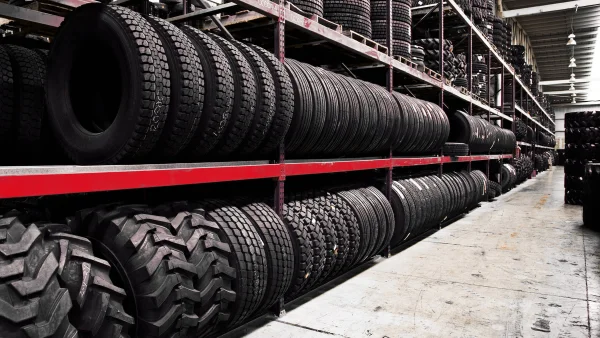
State-of-the-art tires have become an indispensable part of road travel today. Tires directly affect the fuel consumption, noise and safety of a vehicle. They maintain their traction in the winter, even at low temperatures, and displace large volumes of water in the rain so quickly that aquaplaning does not occur and we can drive safely. It is also vital to our safety that they produce the shortest possible braking distances , while, at the same time, achieving excellent mileage , even at high ambient temperatures.
In the case of motorcycle tires , traction is extremely important – particularly when turning corners. In the case of utility vehicles , tread types are an important factor, e.g. for tractors or off-road vehicles. Truck tires must be able to accommodate high loads without suffering excessive wear. Although tires used to need an inner tube to contain the air inside them, that is no longer the case – the combination of rim, tire and valve is designed in such a way that the system is self-sealing. To achieve this, the inner surface of the tire is lined with an airtight, elastic layer of rubber.
Truck tires must also meet special requirements, especially those used in the mining of base materials – in which case the tires are larger than people, weigh several hundred kilograms and can carry loads of several metric tons. As you can see, there are various types of tire for every possible application in the tire industry depending on their ultimate intended use.
Producing new tires (as opposed to retreaded tires) is a complex process for the various tire manufacturers because the end product must exhibit the characteristics outlined above, but tires are also needed in different types and sizes. The framework for a tire comprises up to 25 individual components . And because tires are sometimes used in the most adverse conditions, the production process is subject to constant quality controls .
A tire is made up of various components. We usually devote most of our attention to the rubber of the tread, but the bead, sidewall and carcass are also integral parts of a tire. Before the tread is pressed at the very end of the tire production process, the body of the tire – the carcass – must be made first. In fact, it is this stage that determines – based on how individual layers of fabric are applied – whether the tire will be radial or bias-ply . The benefits of radial tires include low rolling resistance, which reduces fuel consumption, and better directional stability during acceleration/braking. Bias-ply tires, by contrast, exhibit better driving stability and more rigid sidewalls, which are desirable characteristics in motorcycle tires, for instance.